Winding up a deceased estate — managed properly, so the family does not have to.
The administration of a deceased estate is a formal statutory process managed through the Master of the High Court. It has specific requirements, specific documents, and a specific sequence. We handle every stage.
Start the processThe Master's process
Report the estate
The estate must be reported to the Master of the High Court within 14 days of the date of death. We prepare and lodge the required forms, the death certificate, the will (if one exists), and the asset inventory.
Letters of Executorship
The Master appoints an executor and issues Letters of Executorship — the document that authorises the executor to deal with estate assets. Financial institutions, the Deeds Office, and SARS will not engage without this authority.
Collect and secure assets
We open an estate late bank account, collect and value assets, notify creditors, and deal with SARS to obtain tax clearance — a prerequisite for finalising the estate.
Liquidation and Distribution Account
We prepare the L&D Account, which sets out all assets, liabilities, and the proposed distribution to heirs. This must be lodged with the Master and advertised for 21 days.
Transfer and distribution
Once the L&D Account is approved, we transfer assets — including immovable property via the Deeds Office — and distribute the remainder to heirs.
Common questions
Straight answers to the questions we hear most.
Any interested party may report the estate — typically the surviving spouse, an adult child, or the nominated executor under the will. The report must be made within 14 days of the date of death. Where no one comes forward, the Master can appoint a curator to protect estate assets.
Where the deceased died without a valid will (intestate), the estate is distributed according to the Intestate Succession Act 81 of 1987. The Master will appoint an executor, typically the surviving spouse or the eldest adult child. The distribution formula gives the surviving spouse a child's share or the statutory spousal portion, whichever is greater.
Not through intestate succession. South African intestate succession law does not automatically provide for cohabiting partners who were not legally married or in a recognised customary union. The only reliable way to provide for an unmarried partner is through a valid will.
An estate with a gross asset value below R250 000 may qualify for a simplified process. The Master issues a Letter of Authority rather than full Letters of Executorship, and the administration is less formal. Most estates that include immovable property or a vehicle will exceed this threshold.
A straightforward estate with a clear will and cooperative third parties typically takes 6 to 12 months from date of death to final distribution. Delays are common and arise from the Master's Office workload, SARS processing, outstanding returns, municipality rates clearances, and Deeds Office transfer queues. We manage these proactively.
Estate administration is detailed work. We do it correctly so you can focus on your family.
Start the process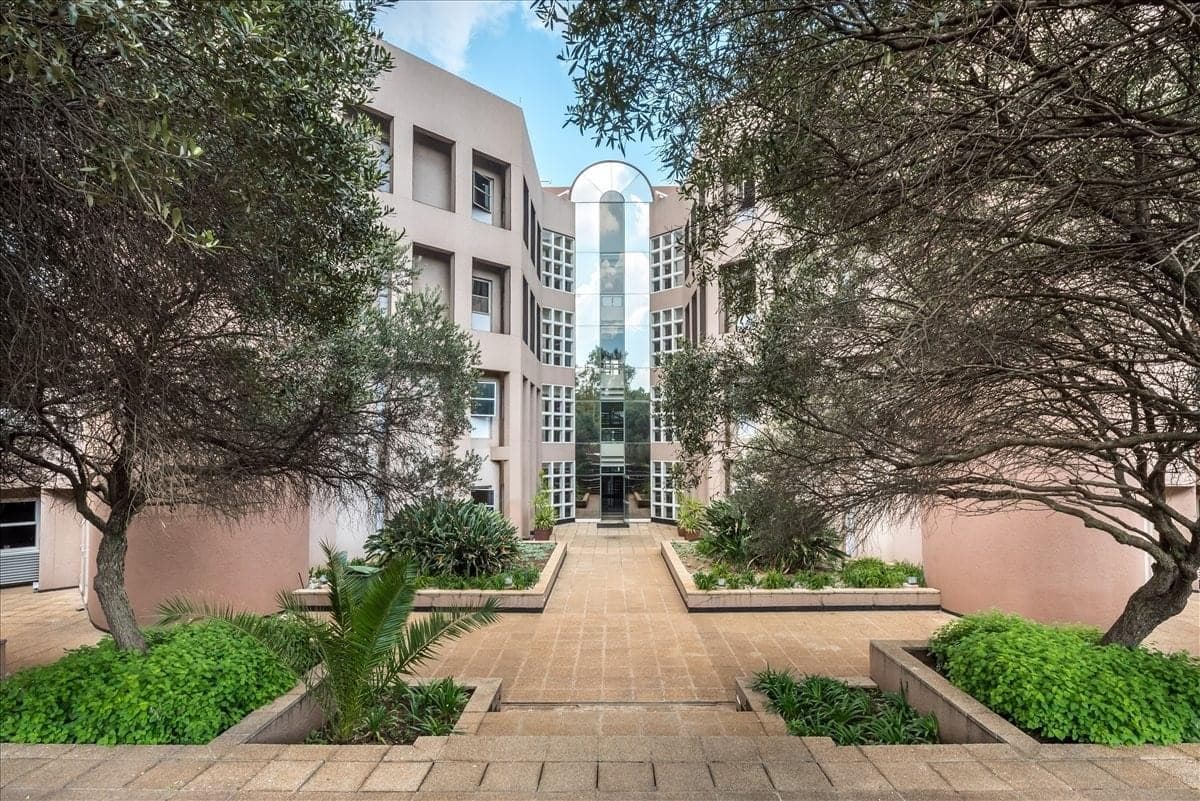
Prefer to meet in person? Visit us in Parktown.
Metropolitan Park, 8 Hillside Road, Parktown, Johannesburg · Mon–Fri 08:00–17:00 · By appointment, with visitor parking on site. Would rather not travel? The same matter runs by phone, WhatsApp, or video — whichever suits you.